Introduction: Why Kitchen Interior Design Matters
The kitchen is often called the heart of the home, and for good reason. It’s where meals are prepared, conversations happen, and everyday life unfolds.
GoodKitchen Interior Design: A Complete Guide for Beautiful & Functional Kitchens
Introduction: Why Kitchen Interior Design Matters
The kitchen is often called the heart of the home, and for good reason. It’s where meals are prepared, conversations happen, and everyday life unfolds.
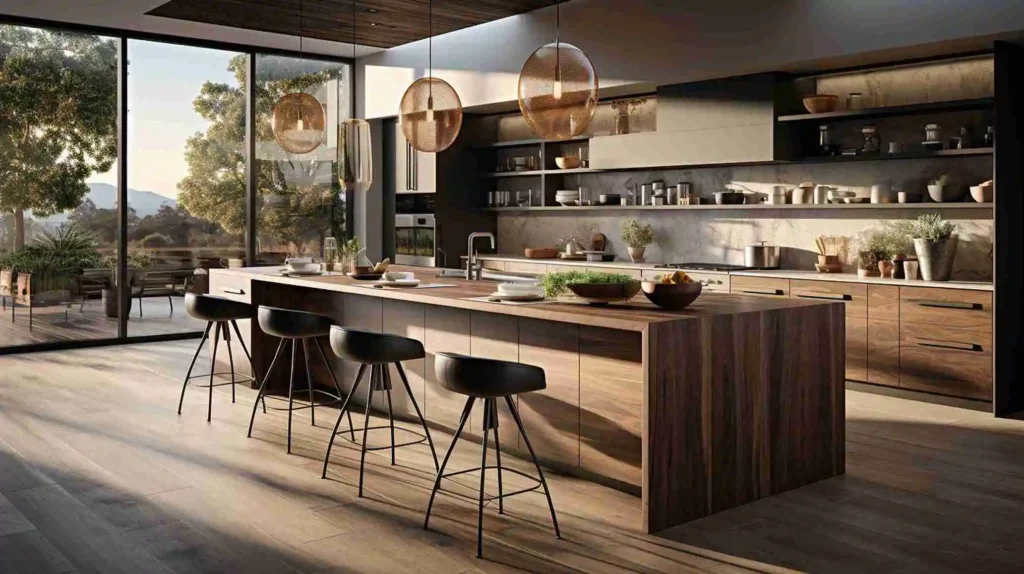
Good kitchen interior design isn’t just about looks. It directly affects how smoothly your day runs, how comfortable the space feels, and even how much your property is worth.
A well-designed kitchen can:
- Improve daily functionality
- Increase property value
- Enhance lifestyle and comfort
This guide is for homeowners, new buyers, property investors, and design-focused renters—anyone who wants a kitchen that works well and looks great.
By the end, you’ll understand layouts, styles, materials, budgets, and smart choices that help you design a kitchen you won’t regret.
2. Understanding Kitchen Interior Design Basics
2.1 What Is Kitchen Interior Design?
Kitchen interior design is the process of planning a kitchen’s layout, materials, colors, lighting, and storage to make it both functional and visually appealing.
It goes beyond surface-level decoration.
While kitchen styling focuses on finishes and accessories, full design planning includes layout, workflow, ergonomics, and long-term usability.
2.2 Key Design Principles
Great kitchens balance aesthetics and function. One without the other quickly becomes frustrating.
Key principles include:
- Ergonomics and workflow for easy movement
- Proper lighting and ventilation
- Thoughtful space planning and proportions
When these are right, even a small kitchen can feel effortless to use.
3. Assessing Your Kitchen Needs Before Designing
3.1 Identify Your Kitchen Type
Start by understanding your situation.
Are you working on:
- A new build or a renovation?
- An owned kitchen or a rental with limitations?
- A kitchen for long-term living or resale value?
Your answers will guide every design decision.
3.2 Understand How You Use Your Kitchen
Not all kitchens are used the same way.
Ask yourself:
- Do you cook daily or occasionally?
- Is your kitchen for entertaining or pure utility?
- Do you need a family-friendly space or a minimal setup?
Designing around real habits avoids costly mistakes.
3.3 Budget Planning
Kitchen budgets vary widely, but planning early reduces stress.
Typical budget tiers:
- Low-budget: cosmetic upgrades and modular solutions
- Mid-range: better materials and partial customization
- High-end: custom cabinetry and premium finishes
Save on things like hardware if needed, but invest in cabinetry, layout, and lighting—they matter most long term.
4. Popular Kitchen Layouts & Space Planning
4.1 Common Kitchen Layouts Explained
Each layout suits different spaces and needs.
- L-shaped kitchen: versatile and space-efficient
- U-shaped kitchen: great for storage and workflow
- Galley kitchen: ideal for narrow spaces
- Island kitchen: perfect for open-plan living
- Peninsula kitchen: island benefits with less space required
4.2 Choosing the Right Layout for Your Space
Small kitchens benefit from compact, efficient layouts, while larger kitchens can support islands and open designs.
Consider:
- Open-plan vs closed kitchens
- Studio apartments and rental-friendly layouts
- How much walking space you actually need
Good layout choices make even modest kitchens feel spacious.
4.3 The Kitchen Work Triangle & Workflow
The classic work triangle connects the sink, stove, and refrigerator.
Keep these close—but not crowded—for smoother movement.
Common mistakes include:
- Placing appliances too far apart
- Blocking paths with islands
- Ignoring door and drawer clearance
5. Kitchen Interior Design Styles
5.1 Modern Kitchen Design
Modern kitchens focus on clean lines and simplicity.
Key features:
- Handle-less cabinets
- Neutral color palettes
- Smart storage solutions
They’re popular for their sleek, timeless appeal.
5.2 Minimalist Kitchen Design
Minimalist kitchens remove the unnecessary.
Expect:
- Decluttered surfaces
- Functional elegance
- Designs ideal for small homes and renters
Less visual noise often means less stress.
5.3 Scandinavian Kitchen Design
Scandinavian kitchens blend warmth and practicality.
They feature:
- Light colors
- Natural wood materials
- Simple, cozy aesthetics
Perfect for bright, welcoming spaces.
5.4 Traditional & Farmhouse Kitchens
These styles bring comfort and character.
Think:
- Classic cabinetry
- Warm tones
- Textured finishes
They work well in family homes and long-term residences.
5.5 Industrial & Contemporary Styles
Industrial kitchens embrace raw finishes.
Common elements include:
- Metal accents
- Concrete or brick textures
- Urban, loft-inspired looks
Great for bold personalities and modern apartments.
6. Color Schemes & Material Selection
6.1 Choosing the Right Color Palette
Colors shape how a kitchen feels.
- Light colors make small kitchens feel larger
- Dark tones add drama and depth
- Neutral palettes age better over time
Color psychology matters—warm tones feel inviting, while cool tones feel clean and modern.
6.2 Cabinet Materials & Finishes
Popular cabinet materials include:
- Wood for warmth
- MDF for affordability
- Laminate for durability
- Acrylic for a glossy, modern look
Matte finishes hide fingerprints better, while glossy finishes reflect light.
6.3 Countertops & Backsplashes
Common countertop choices:
- Quartz: durable and low-maintenance
- Granite: natural and long-lasting
- Marble: elegant but high maintenance
- Solid surface: seamless and practical
Backsplashes can be tile, glass, or stone. Budget-friendly options can still look polished when chosen carefully.
7. Storage Solutions & Smart Organization
7.1 Maximizing Storage in Small Kitchens
Small kitchens need smart thinking.
Try:
- Vertical cabinets
- Pull-out drawers
- Corner storage units
Hidden storage keeps counters clutter-free.
7.2 Functional Storage for Families
Family kitchens need easy access and durability.
Focus on:
- Pantry organization
- Built-in appliances
- Deep drawers for pots and pans
Good storage saves time every single day.
7.3 Rental-Friendly Storage Ideas
Renters still have options.
Use:
- Non-permanent shelving
- Portable islands
- Stackable organizers
These upgrades are removable but impactful.
8. Lighting & Ventilation in Kitchen Design
8.1 Types of Kitchen Lighting
A well-lit kitchen uses layers:
- Ambient lighting for overall brightness
- Task lighting for cooking areas
- Accent lighting for style
All three matter.
8.2 Natural Light & Ventilation
Natural light makes kitchens feel healthier and larger.
Good ventilation prevents odors and moisture buildup.
Chimneys and exhaust fans are essential, not optional.
8.3 Lighting Mistakes to Avoid
Avoid:
- Insufficient task lighting
- Overly harsh or cold lighting
- Relying on a single ceiling fixture
Lighting can make or break a kitchen.
9. Appliances & Technology Integration
9.1 Choosing the Right Appliances
Decide between:
- Built-in appliances for seamless design
- Freestanding appliances for flexibility
Energy-efficient appliances reduce long-term costs.
9.2 Smart Kitchen Features
Modern kitchens often include:
- Smart lighting
- Touchless faucets
- App-connected appliances
These features add convenience without complicating design.
9.3 Investor-Friendly Appliance Choices
Investors should prioritize:
- Durability
- Tenant appeal
- Easy maintenance
Balance cost with longevity to maximize returns.
10. Kitchen Interior Design for Different Audiences
10.1 For Homeowners
Homeowners benefit from personalized designs.
Custom cabinetry and tailored layouts add long-term comfort and value.
10.2 For New Buyers
Builder-grade kitchens often need upgrades.
Focus on:
- Lighting
- Hardware
- Backsplashes
Small changes can make a big difference.
10.3 For Property Investors
Investors should choose:
- Neutral colors
- Durable materials
- High-ROI upgrades
Design for broad appeal, not personal taste.
10.4 For Design-Focused Renters
Renters can still express style.
Use:
- Temporary upgrades
- Styling and accessories
- Lighting and storage solutions
No renovation required.
11. Common Kitchen Design Mistakes to Avoid
Some mistakes come up again and again:
- Ignoring storage needs
- Choosing trends over function
- Poor lighting planning
- Underestimating the budget
Learning from others saves money and frustration.
12. Kitchen Design Trends to Watch
Current trends include:
- Sustainable materials
- Two-tone cabinets
- Hidden storage
- Integrated appliances
Trends are best used as inspiration, not strict rules.
Final Thoughts
Great kitchen interior design is about balance—between beauty and function, budget and durability, trends and timelessness.
With thoughtful planning and honest assessment of your needs, you can create a kitchen that works beautifully today and still feels right years from now. isn’t just about looks. It directly affects how smoothly your day runs, how comfortable the space feels, and even how much your property is worth.
A well-designed kitchen can:
- Improve daily functionality
- Increase property value
- Enhance lifestyle and comfort
This guide is for homeowners, new buyers, property investors, and design-focused renters—anyone who wants a kitchen that works well and looks great.
By the end, you’ll understand layouts, styles, materials, budgets, and smart choices that help you design a kitchen you won’t regret.
2. Understanding Kitchen Interior Design Basics
2.1 What Is Kitchen Interior Design?
Kitchen interior design is the process of planning a kitchen’s layout, materials, colors, lighting, and storage to make it both functional and visually appealing.
It goes beyond surface-level decoration.
While kitchen styling focuses on finishes and accessories, full design planning includes layout, workflow, ergonomics, and long-term usability.
2.2 Key Design Principles
Great kitchens balance aesthetics and function. One without the other quickly becomes frustrating.
Key principles include:
- Ergonomics and workflow for easy movement
- Proper lighting and ventilation
- Thoughtful space planning and proportions
When these are right, even a small kitchen can feel effortless to use.
3. Assessing Your Kitchen Needs Before Designing
3.1 Identify Your Kitchen Type
Start by understanding your situation.
Are you working on:
- A new build or a renovation?
- An owned kitchen or a rental with limitations?
- A kitchen for long-term living or resale value?
Your answers will guide every design decision.
3.2 Understand How You Use Your Kitchen
Not all kitchens are used the same way.
Ask yourself:
- Do you cook daily or occasionally?
- Is your kitchen for entertaining or pure utility?
- Do you need a family-friendly space or a minimal setup?
Designing around real habits avoids costly mistakes.
3.3 Budget Planning
Kitchen budgets vary widely, but planning early reduces stress.
Typical budget tiers:
- Low-budget: cosmetic upgrades and modular solutions
- Mid-range: better materials and partial customization
- High-end: custom cabinetry and premium finishes
Save on things like hardware if needed, but invest in cabinetry, layout, and lighting—they matter most long term.
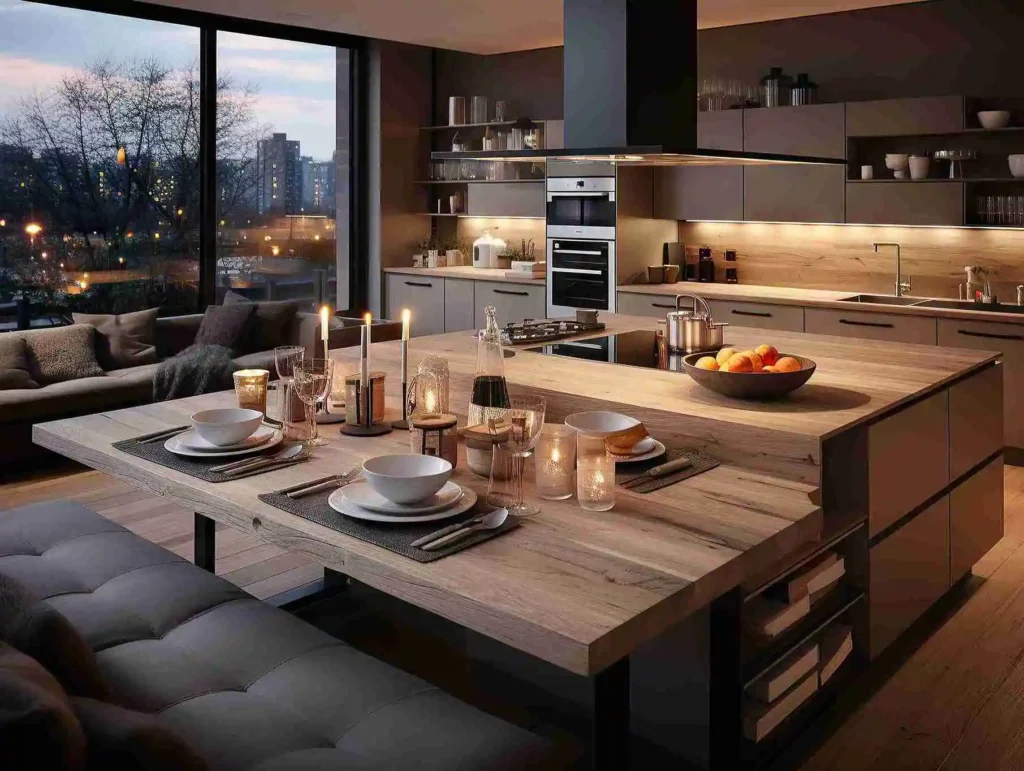
4. Popular Kitchen Layouts & Space Planning
4.1 Common Kitchen Layouts Explained
Each layout suits different spaces and needs.
- L-shaped kitchen: versatile and space-efficient
- U-shaped kitchen: great for storage and workflow
- Galley kitchen: ideal for narrow spaces
- Island kitchen: perfect for open-plan living
- Peninsula kitchen: island benefits with less space required
4.2 Choosing the Right Layout for Your Space
Small kitchens benefit from compact, efficient layouts, while larger kitchens can support islands and open designs.
Consider:
- Open-plan vs closed kitchens
- Studio apartments and rental-friendly layouts
- How much walking space you actually need
Good layout choices make even modest kitchens feel spacious.
4.3 The Kitchen Work Triangle & Workflow
The classic work triangle connects the sink, stove, and refrigerator.
Keep these close—but not crowded—for smoother movement.
Common mistakes include:
- Placing appliances too far apart
- Blocking paths with islands
- Ignoring door and drawer clearance
5. Kitchen Interior Design Styles
5.1 Modern Kitchen Design
Modern kitchens focus on clean lines and simplicity.
Key features:
- Handle-less cabinets
- Neutral color palettes
- Smart storage solutions
They’re popular for their sleek, timeless appeal.
5.2 Minimalist Kitchen Design
Minimalist kitchens remove the unnecessary.
Expect:
- Decluttered surfaces
- Functional elegance
- Designs ideal for small homes and renters
Less visual noise often means less stress.
5.3 Scandinavian Kitchen Design
Scandinavian kitchens blend warmth and practicality.
They feature:
- Light colors
- Natural wood materials
- Simple, cozy aesthetics
Perfect for bright, welcoming spaces.
5.4 Traditional & Farmhouse Kitchens
These styles bring comfort and character.
Think:
- Classic cabinetry
- Warm tones
- Textured finishes
They work well in family homes and long-term residences.
5.5 Industrial & Contemporary Styles
Industrial kitchens embrace raw finishes.
Common elements include:
- Metal accents
- Concrete or brick textures
- Urban, loft-inspired looks
Great for bold personalities and modern apartments.
6. Color Schemes & Material Selection
6.1 Choosing the Right Color Palette
Colors shape how a kitchen feels.
- Light colors make small kitchens feel larger
- Dark tones add drama and depth
- Neutral palettes age better over time
Color psychology matters—warm tones feel inviting, while cool tones feel clean and modern.
6.2 Cabinet Materials & Finishes
Popular cabinet materials include:
- Wood for warmth
- MDF for affordability
- Laminate for durability
- Acrylic for a glossy, modern look
Matte finishes hide fingerprints better, while glossy finishes reflect light.
6.3 Countertops & Backsplashes
Common countertop choices:
- Quartz: durable and low-maintenance
- Granite: natural and long-lasting
- Marble: elegant but high maintenance
- Solid surface: seamless and practical
Backsplashes can be tile, glass, or stone. Budget-friendly options can still look polished when chosen carefully.
7. Storage Solutions & Smart Organization
7.1 Maximizing Storage in Small Kitchens
Small kitchens need smart thinking.
Try:
- Vertical cabinets
- Pull-out drawers
- Corner storage units
Hidden storage keeps counters clutter-free.
7.2 Functional Storage for Families
Family kitchens need easy access and durability.
Focus on:
- Pantry organization
- Built-in appliances
- Deep drawers for pots and pans
Good storage saves time every single day.
7.3 Rental-Friendly Storage Ideas
Renters still have options.
Use:
- Non-permanent shelving
- Portable islands
- Stackable organizers
These upgrades are removable but impactful.
8. Lighting & Ventilation in Kitchen Design
8.1 Types of Kitchen Lighting
A well-lit kitchen uses layers:
- Ambient lighting for overall brightness
- Task lighting for cooking areas
- Accent lighting for style
All three matter.
8.2 Natural Light & Ventilation
Natural light makes kitchens feel healthier and larger.
Good ventilation prevents odors and moisture buildup.
Chimneys and exhaust fans are essential, not optional.
8.3 Lighting Mistakes to Avoid
Avoid:
- Insufficient task lighting
- Overly harsh or cold lighting
- Relying on a single ceiling fixture
Lighting can make or break a kitchen.
9. Appliances & Technology Integration
9.1 Choosing the Right Appliances
Decide between:
- Built-in appliances for seamless design
- Freestanding appliances for flexibility
Energy-efficient appliances reduce long-term costs.
9.2 Smart Kitchen Features
Modern kitchens often include:
- Smart lighting
- Touchless faucets
- App-connected appliances
These features add convenience without complicating design.
9.3 Investor-Friendly Appliance Choices
Investors should prioritize:
- Durability
- Tenant appeal
- Easy maintenance
Balance cost with longevity to maximize returns.
10. Kitchen Interior Design for Different Audiences
10.1 For Homeowners
Homeowners benefit from personalized designs.
Custom cabinetry and tailored layouts add long-term comfort and value.
10.2 For New Buyers
Builder-grade kitchens often need upgrades.
Focus on:
- Lighting
- Hardware
- Backsplashes
Small changes can make a big difference.
10.3 For Property Investors
Investors should choose:
- Neutral colors
- Durable materials
- High-ROI upgrades
Design for broad appeal, not personal taste.
10.4 For Design-Focused Renters
Renters can still express style.
Use:
- Temporary upgrades
- Styling and accessories
- Lighting and storage solutions
No renovation required.
11. Common Kitchen Design Mistakes to Avoid
Some mistakes come up again and again:
- Ignoring storage needs
- Choosing trends over function
- Poor lighting planning
- Underestimating the budget
Learning from others saves money and frustration.
12. Kitchen Design Trends to Watch
Current trends include:
- Sustainable materials
- Two-tone cabinets
- Hidden storage
- Integrated appliances
Trends are best used as inspiration, not strict rules.
Final Thoughts
Great kitchen interior design is about balance—between beauty and function, budget and durability, trends and timelessness.
With thoughtful planning and honest assessment of your needs, you can create a kitchen that works beautifully today and still feels right years from now.